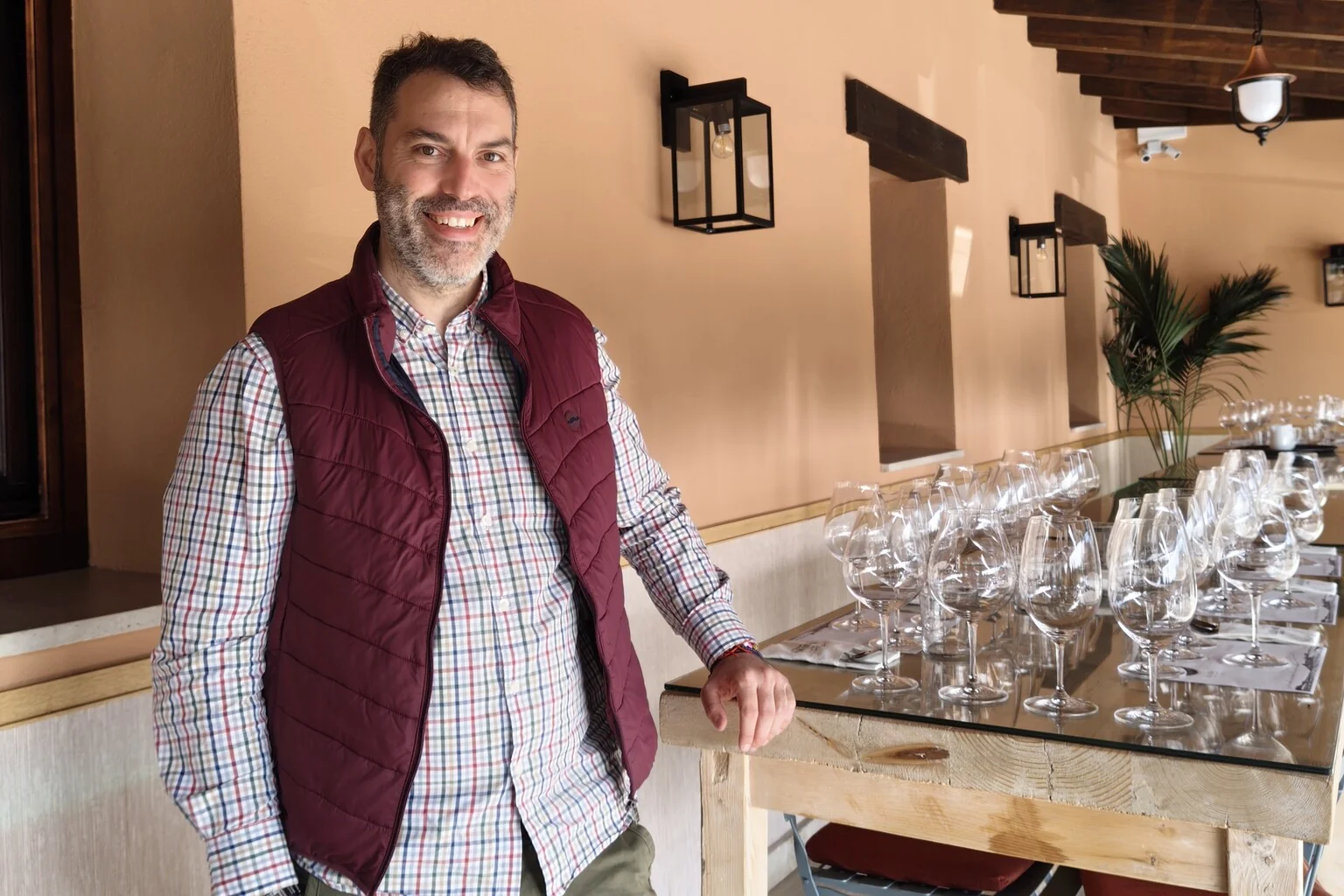
After a winery visit, you might find yourself thinking about one particular wine, a family story, or the light in a tasting room. A conversation may stay vivid even when you need to look at the label to recall the wine's name. Different parts of the experience stay with you in different ways.
A few notes can bring that moment back when the bottle appears on a store shelf or at your table. Here are some ideas for what to remember from a winery visit: the place, the identity of the wines, and whatever caught your attention. Choose the details that matter to you, leaving plenty of room to enjoy the visit itself.
One detail that connects the place and the wine
As you look around, listen for something that explains how this winery works. It could be a choice made in the vineyard, a story passed down through generations, or the reason a particular room has been kept. Pick an idea that interests you and put it into your own words.
Some visits combine family history, terroir, winemaking, and tasting, as in this example listed by the Rioja regulatory council. Each winery plans its own experience.
If your host mentions a vineyard plot or a way of aging wine, note the connection they explain. Leave yourself a question if there is something you would like to explore. Linking an explanation to a wine can be more evocative than keeping a page of dates. A visit without a vineyard walk or tasting can still leave you with a story and plenty of observations to remember.
Keep the wine's identity and your impressions distinct
Before saving a note, check which wine it belongs to. Its name, producer, and vintage, where there is one, are useful starting points. If several wines have similar names, add the detail that tells them apart: wording on the label or the name of the range, for instance.
A clear photograph of the label can help if photography is allowed. Check the words and numbers afterward; a blurry picture may hold less information than you thought when taking it. You can leave an unknown detail open and ask about it later.
Keep label information separate from what you notice. The vintage is a fact; “it reminded me of summer fruit” is your impression. If your host describes an aroma, record it as something they mentioned and keep your own observation alongside it. Both add context, with their sources clear.
A tasting note that brings the glass back to mind
A simple order can help you observe before choosing what to write down. WSET's introduction to its systematic approach describes tasting in a logical way, with skills developed progressively.
For your personal notes, try four points of reference: appearance, aromas, the experience on the palate, and your overall impression. A single specific observation in whichever areas interest you is enough. Perhaps the color stands out, an aroma brings fruit to mind, or a texture catches your attention. Use words that will mean something to you when you return to the note.
Here is a made-up example of a short note: “Light color. A reminder of pear. Light on the palate. I enjoyed its freshness.” It illustrates a possible length, without describing a real wine or assigning these qualities to a grape variety. You can also write, “I haven't found a name for this aroma yet,” and come back to it. The note preserves your experience that day, in your own terms.
If the visit includes several wines, one particular difference can help you tell them apart later: which seemed more intense, or which had a texture you found interesting. Keep that comparison connected to the glasses in front of you that day.
Give the memory some context
Add a sentence about what surrounded the wine. A conversation about harvest, food if it was served, or an explanation you would like to hear again can give your note a setting. “The wine we discussed at the end of the tour” may be all the personal context you need.
If you take pictures, ask what is allowed and consider what is in the frame. A label or an approved detail of the space can become a visual reminder without including other visitors, booking information, or personal details. A private note may be enough to remember who came with you; sharing their photograph is a separate decision to discuss with them.
Three questions to start a conversation
Open questions invite the perspective of someone who knows the winery. Adapt these to the visit and the time available:
- What detail about this place do you find especially useful for understanding your wines? This leaves room for a landscape, a vineyard plot, or a story.
- What winemaking or aging decision would you like us to keep in mind when tasting this wine? It connects the winery's work to a particular bottle.
- What difference would you suggest noticing between today's wines? When there is a tasting, it opens up a comparison within that selection.
Write down the idea you want to keep and note that it came from the conversation. If you want to save a direct quotation or share it publicly, ask first and check that you have captured it accurately.
Five minutes to save what stays with you
After the visit, find a quiet moment to bring together three things: the identity of a wine you want to remember, an impression of your own, and a detail from the visit. Think of this five-minute ritual as a flexible suggestion. You can stop as soon as you have saved what matters to you.
In Enolisa, you can begin by saving the wine and fill in more information later. A saved tasting lets you keep aromas, flavors, a score, and personal notes together. Those notes are a place for the context you would like to return to.
When you find the bottle again, you will have a reference that connects its name to your experience. It might bring back a story, a texture, or the conversation that followed the visit. The details you chose to save become part of your own path through wine.
Your wines. Your memories.