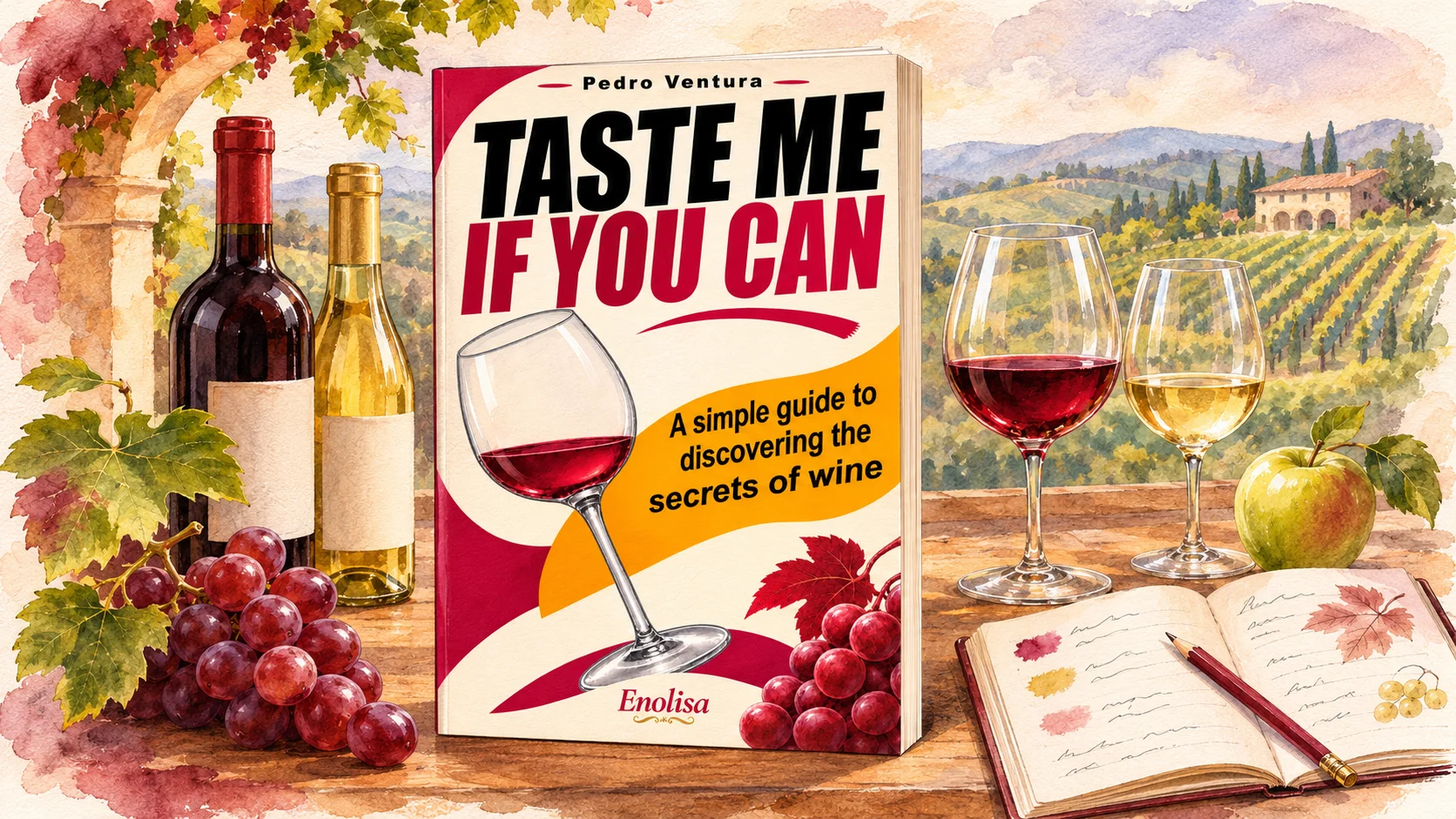
A wine might remind you of a familiar fruit when you smell it. Another makes your mouth water or leaves it feeling a little rough. Learning about wine can begin with noticing those experiences, finding words for them, and exploring what helps explain them.
That can happen over a bottle at home, a glass in a restaurant, or a tasting with friends. Each experience gives you references of your own.
Start with what you want to explore
You might want to follow a first tasting, put a name to a familiar feeling, or understand a term on a wine list. Here are some ways into the guide.
Get started, one glass at a time
Begin with looking, smelling, and tasting. You might notice a fruit the wine reminds you of, whether it makes your mouth water, or how long its flavor stays with you after a sip.
The guide takes you through that experience and introduces the vocabulary through things you can recognize. A feeling you notice becomes a reference you can bring to your next glass.
Find words for what you notice
When a wine leaves your mouth feeling dry and a little rough, that feeling is called astringency. Tannins, substances that can enter wine from grape skins and seeds or from wood, can contribute to it.
That is how the ideas are introduced: a recognizable experience first, then its name. Examples of tasting notes also show how to keep a record of what you smelled, what you noticed when tasting, and what you enjoyed.
Share a tasting with friends
Comparing what a wine reminds you of can start a good conversation. One person notices apple; someone else finds a different fruit. Sharing those impressions brings together references that people recognize in their own way.
The book offers comparisons and a summary of the tasting steps to return to whenever you want. You can focus on one question: what changes between two wines, or what you notice when you smell the glass again.
Explore the story behind a bottle
A grape variety, a region, and a harvest year offer different clues. The guide explains how to connect them with winemaking and what you find in the glass.
A travel-style section then takes you through places including the United States, Australia, New Zealand, and South Africa, alongside Europe, Argentina, and Chile. These are starting points for exploring wine's diversity and discovering more regions for yourself.
Discover what food changes in the glass
A wine can leave a different impression after a bite of food. Exploring those changes is a way into food and wine pairing: finding combinations you enjoy together.
The guide connects spice, sweetness, acidity, salt, and fat with what you notice in wine. It also brings together what you are learning about your tastes, so you can explore combinations through your own preferences.
Give someone a new way to explore wine
If you are looking for a gift for someone curious about wine, an introductory guide can be a companion for the moments when a bottle is opened and questions come up.
Taste Me If You Can brings together illustrations, examples, reminders, and a quick-reference glossary. Choose a full-color paperback or a Kindle eBook with adjustable text, and explore real sample pages before deciding.
Turn “I like it” into a note you can return to
A tasting note can be as simple as this:
“It smells of apple. It makes my mouth water when I taste it. I enjoy that feeling.”
This is an example of recording an impression in everyday words. As you taste and compare, you build a picture of the aromas, flavors, and sensations you tend to enjoy. Together, those preferences form your palate profile, which can help guide your exploration of another bottle.
The final part of the book brings those preferences together, connects them with food, and helps you keep what you have discovered. Follow the whole journey or return to a particular topic, the tasting steps, or the glossary.
Continue with your own wines
If you would like to keep your experiences on your phone, Enolisa lets you save bottles, record tastings, and return to your impressions. Use those experiences to explore your palate profile and discover personalized food pairings.
The book works on its own. The app is a way to continue with your wines, your notes, and the memories you want to keep.